Essay
Whatever Happened to Wonder?
There was a time when even the ashtray was a chance to invent something. We think that time is worth bringing back.
Picture a living room in 1962. Deep armchairs, a hi-fi console, a decanter on the sideboard. And somewhere in the middle of it all, an ashtray that someone actually thought hard about.
It's easy to forget now, but there was a time when even the humblest object on the table was a chance to show off a little ingenuity. The ashtray was one of them.
When the ashtray was an invention
The mid-century home was full of ashtrays that did more than hold ash. There were rolling ashtrays: tall stands on rolling bases that you could push across the room, gliding from armchair to armchair as the conversation moved. A host could wheel one to a guest instead of passing a dish down the sofa. It was hospitality, engineered.
There were magnetic ashtrays too, using magnets to do something an ordinary dish couldn't. They hinted at an idea that felt almost like science fiction: that this little object could defy what we expected of it.
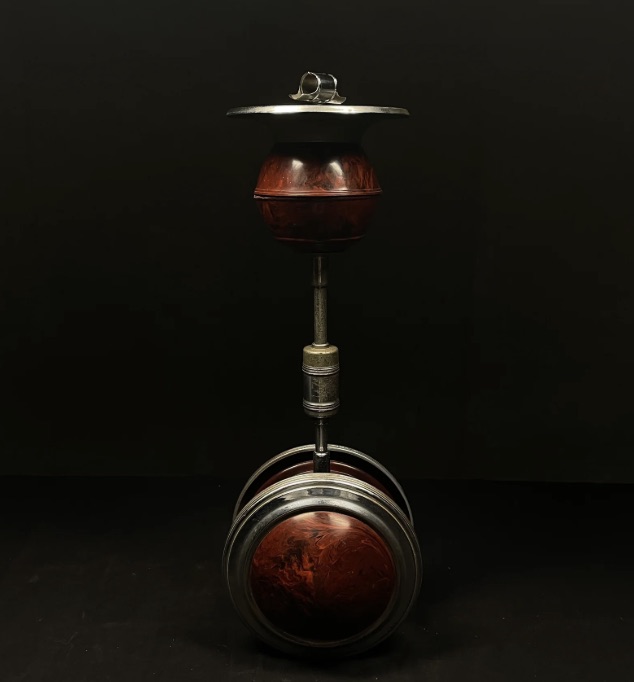
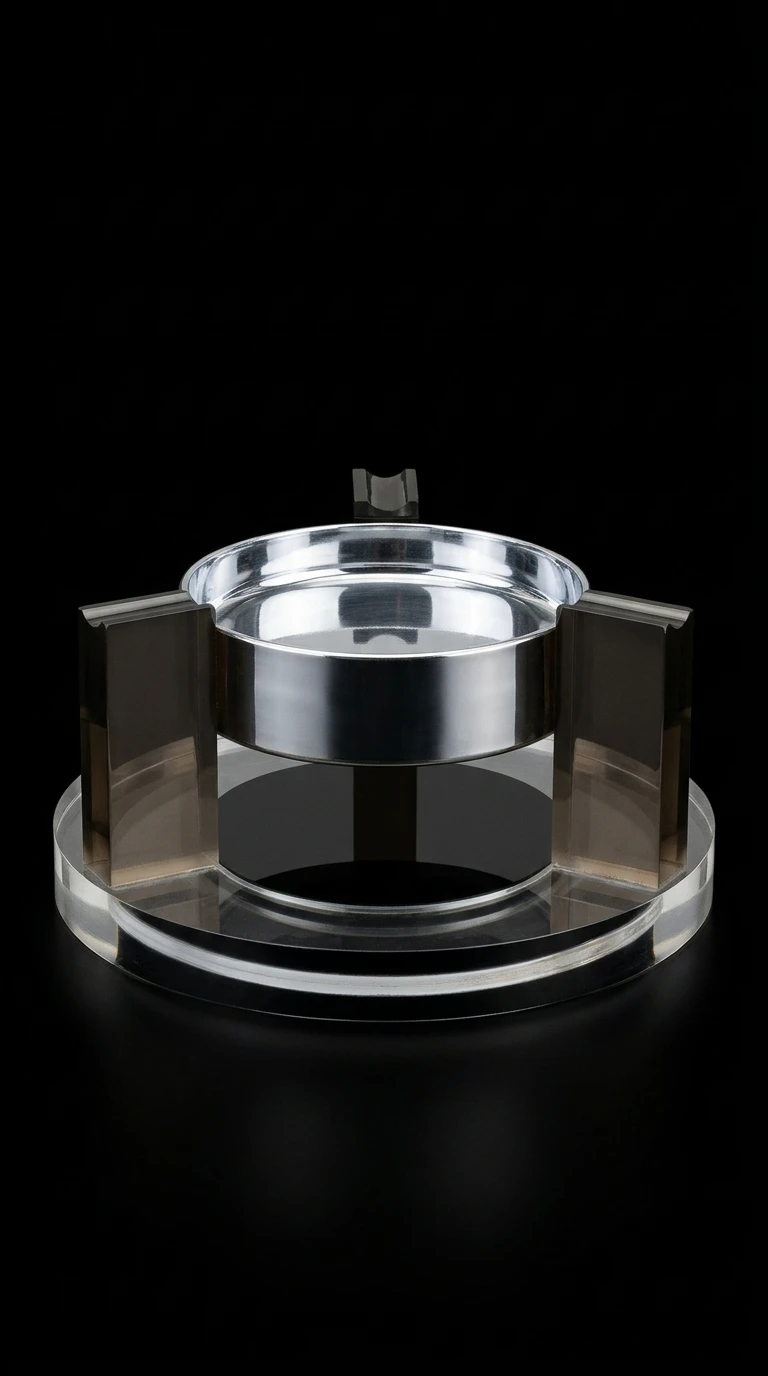
None of these were strictly necessary. A glass bowl would have done the job. But the designers of that era weren't asking what was necessary. They were asking what would delight. They gave everyday objects curves, chrome, polished wood and a sense of occasion. An ashtray could be a conversation piece.
The question was never "what's the most efficient way to do this?" It was "what's the most wonderful way?"
Then we optimized the magic away
Somewhere in the decades since, the goal changed. Products became thinner, cheaper, faster and more efficient, and in the process they became more forgettable. The most advanced technology in history now lives behind glass rectangles and inside spreadsheets.
Meanwhile, the objects that share our best moments, the glass on the bar cart, the chair on the terrace, the tray on the table, have barely changed in fifty years. The ashtray went back to being a dish.
That seems backwards to us. We have better magnets, better batteries and better control systems than any designer of 1962 could have imagined. Why aren't we using them to make the beautiful things in our lives more beautiful?
Picking up where they left off
The rolling ashtray moved across the room. The magnetic ashtray flirted with the impossible. The Floating Ashtray finishes the thought.
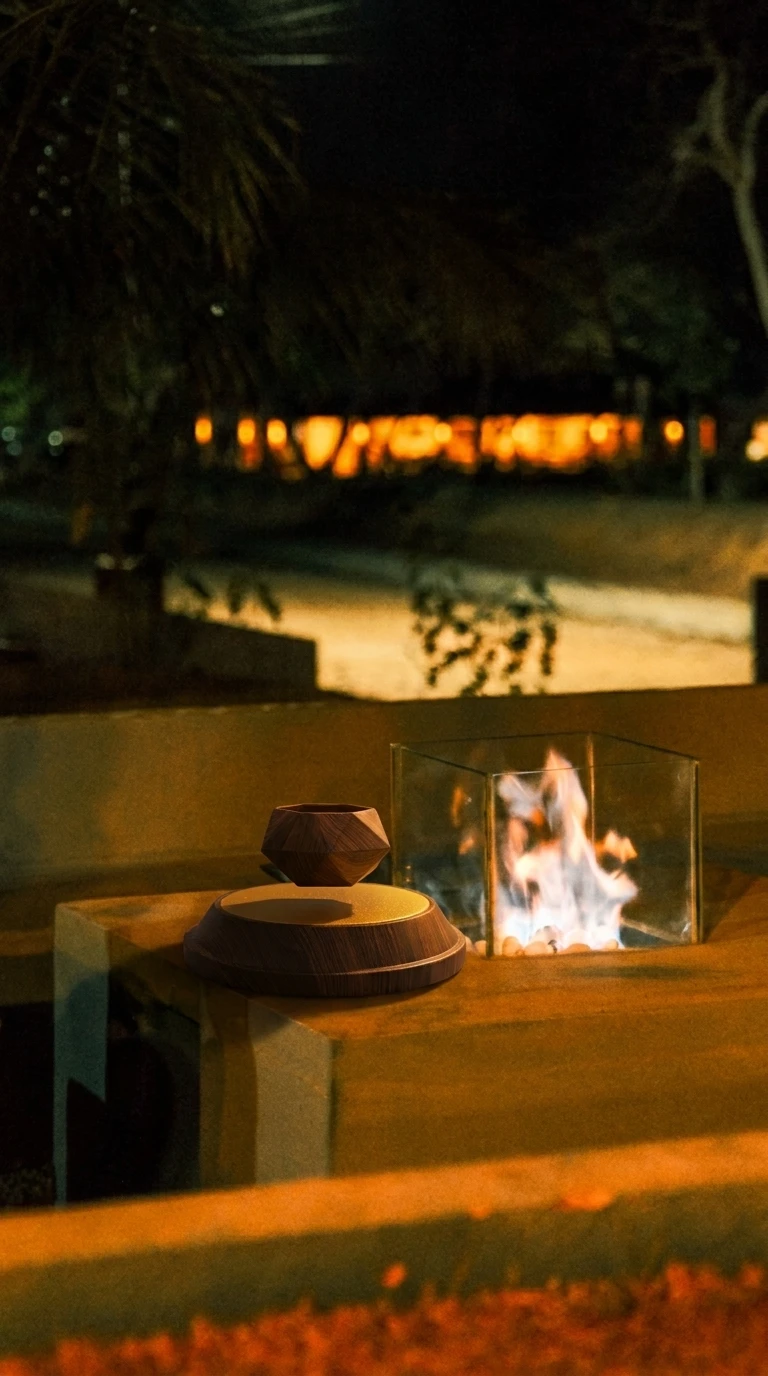
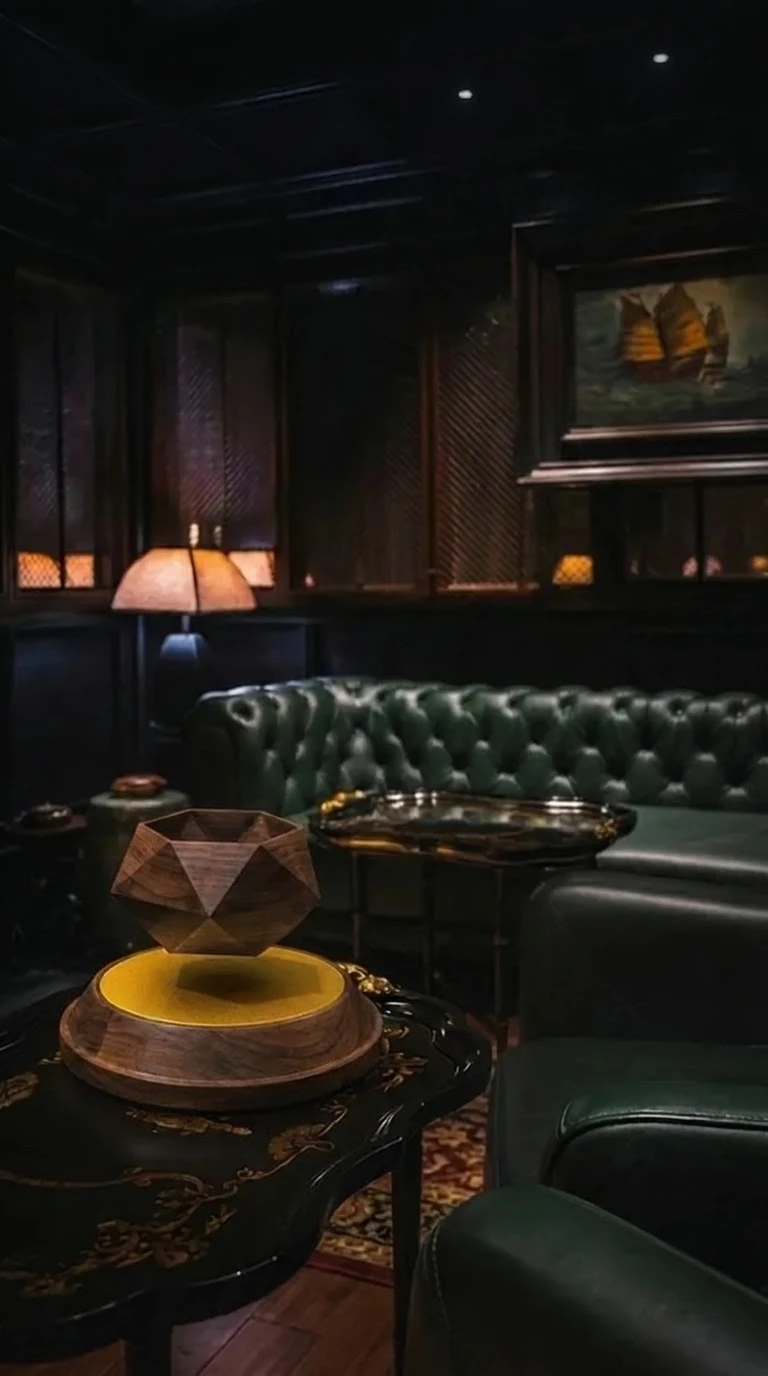
Electromagnets in its base hold a faceted dark wood resin tray suspended in mid-air above a brushed gold platform. It runs cordless on a rechargeable battery for six to eight hours, long enough for the slowest evening on the patio. There are no strings and no stands. It simply floats.
It is, to our knowledge, the first ashtray ever to levitate using electromagnetic technology. But being first isn't really the point. The point is the moment a guest sets down their drink, leans in and says, "Wait, how is that doing that?"
That moment is what the 1950s and '60s understood. Wonder is a feeling worth designing for.
A small act of optimism
We don't think a floating ashtray will change the world. But we do think it's a reminder of what's possible when we bring the innovation and optimism of the past to the technology of today, and stop asking only how to make things more efficient and start asking how to make them more delightful again.
The Floating Ashtray is our first step. It won't be our last.
The First Edition
The Floating Ashtray First Edition is now reserving. No payment today.
Reserve Yours